The Field School of Hvar
A conversation with Carolyn Zelikow


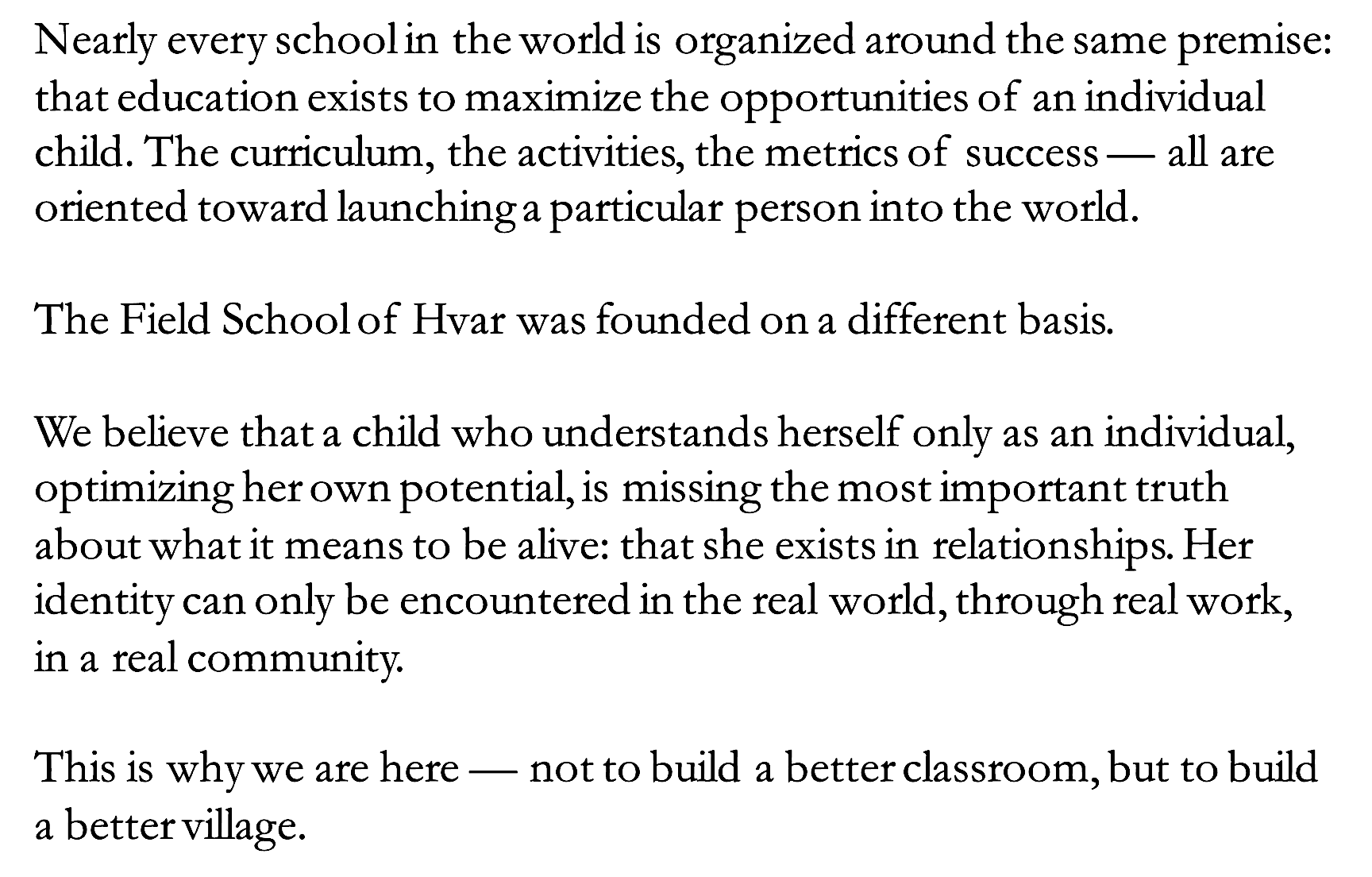
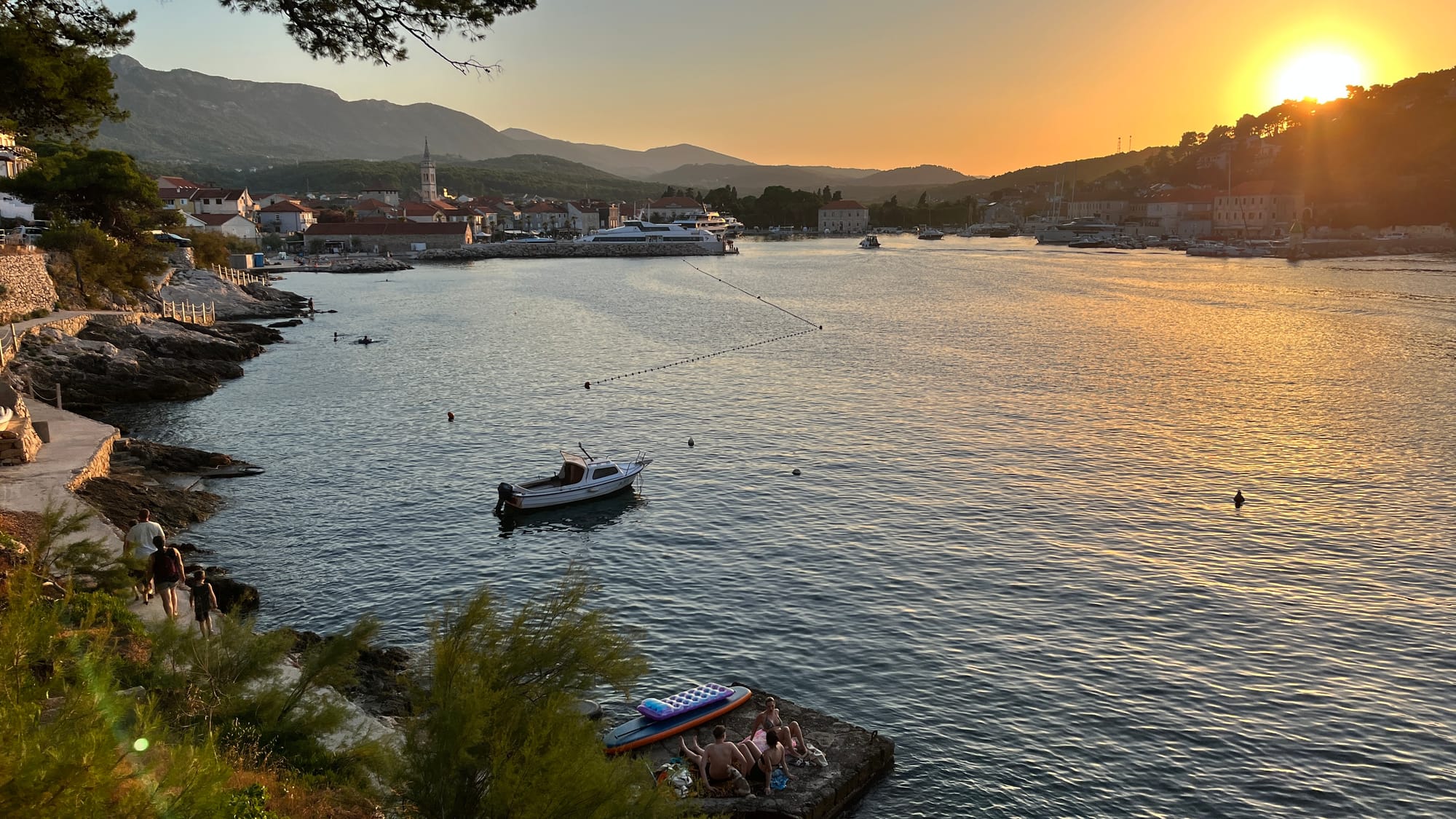
At first, the journey sounded simple enough: flight to Split, catch a ferry, make your way to the island, and settle in. Nearing the airport's exit, on the sun-drenched road-blocked pavement's horizon, we could see the Adriatic, which appeared much closer than a 30-minute drive.
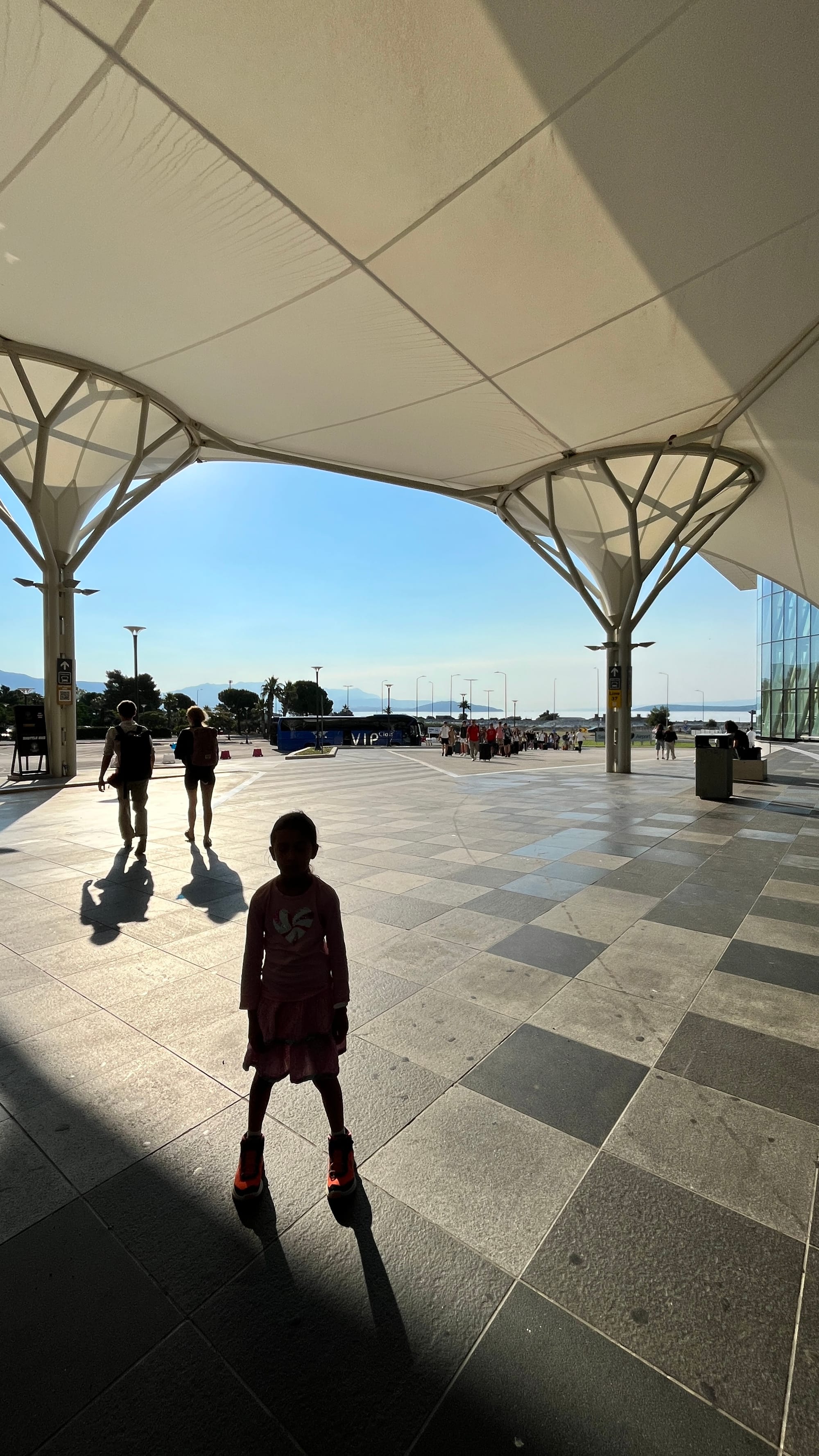
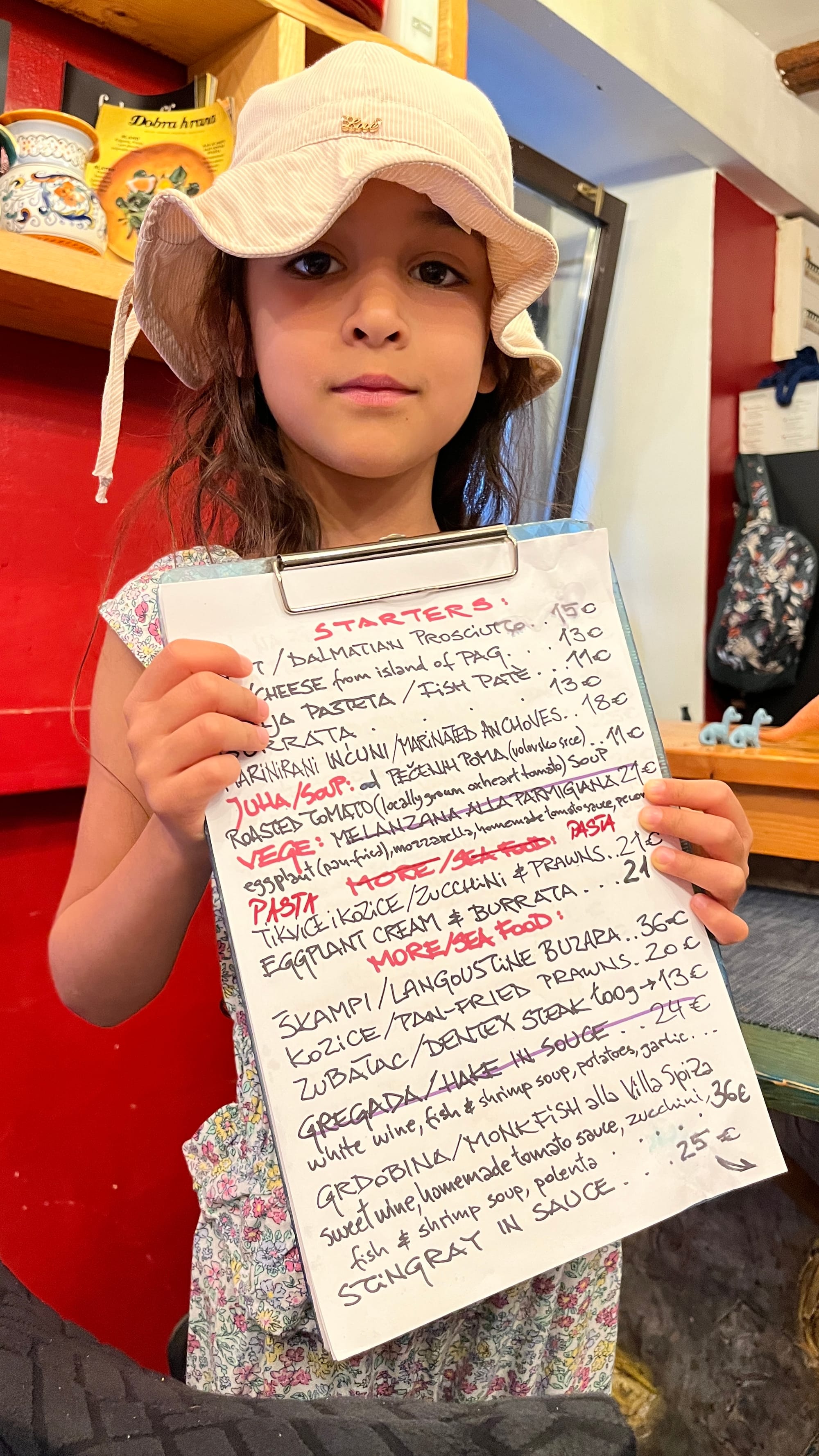
Easing into the country, we stayed overnight just outside Diocletian's Palace: we wanted a taste of Croatia's second largest city (~400K population) before catching the next day's ferry.
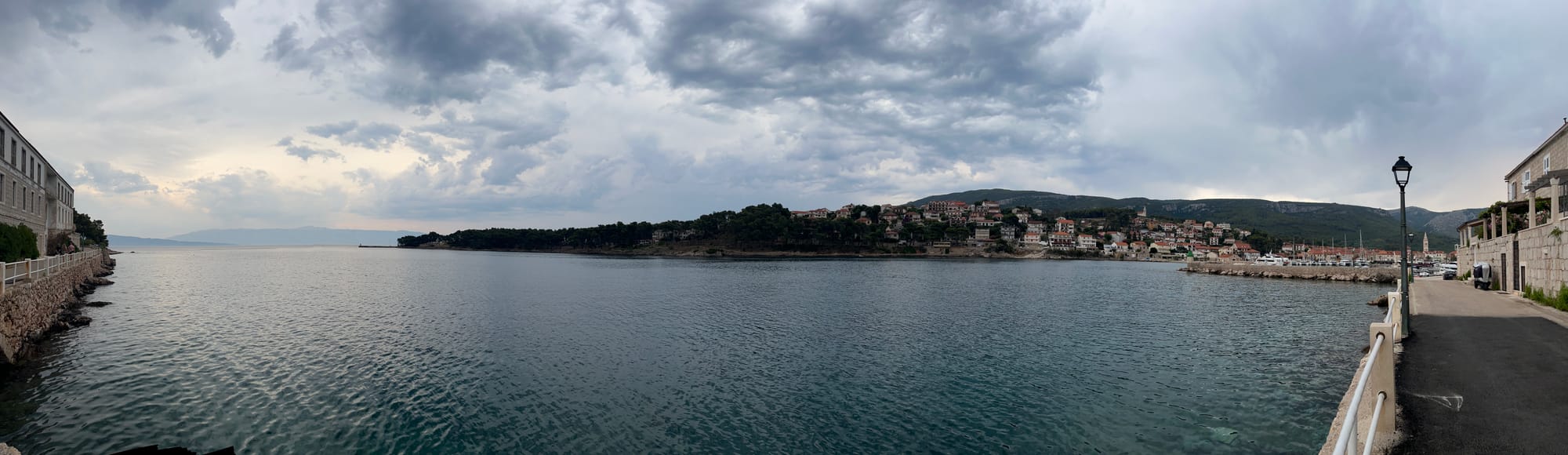
The next day we arrived to Jelsa ...
Vinay and Carolyn talk about Field School in Croatia, why it feels unlike a typical summer camp, and how the program blends family life, child development, community, and place-based learning.
Carolyn explains how the school is shaped by Jelsa, the island setting, and by a bigger idea she calls a pedagogy of belonging.
The conversation also gets into the economics of friendship, why community feels harder to find now, and how schools can become engines for civic renewal.
Carolyn describes Field School as a family slow travel program that combines co-living, adult community programming, and full-time enrichment for children.
We discuss: Why Carolyn prefers the framing “family camp meets elegant Mediterranean retreat” and what that captures better than a standard camp description.
Vinay shares: How hard it is to explain the experience to others, especially when the words “Croatia” and “Europe” do not fully convey what makes it special.
We discuss: The idea of trying on different versions of yourself through travel, festivals, conferences, and shared rituals.
Carolyn shares: How Field School began with families in mind, but evolved away from overly prescriptive adult programming toward a more organic family experience.
We discuss: The rise of community as a service and how people increasingly seek structured ways to top up social capital, creativity, and connection.
Carolyn shares: What she has learned from running a service-heavy educational program, including how difficult families often become the biggest champions when met with kindness and empathy.
We discuss: The unique qualities of Jelsa and the island of Hvar - its small-town feel, communal culture, safety, nature, and the tension between tourism and local life.
Carolyn shares: Why she calls the school’s approach a pedagogy of belonging, with repeated opportunities for children to find where they fit in a place and a community.
We discuss: Children’s autonomy through project-based learning, forest school, and excursion days, especially the unstructured freedom of the island setting.
Carolyn shares: How the project grew out of her move to Croatia during the pandemic, her love of place-based work, and her desire to direct tourism toward community benefit and regeneration.
We discuss: Field School as a prototype for how schools can become engines for community renewal, not just education.
TIME STAMPS
0:00 — Returning from Croatia and reflecting on the summer
0:21 — The “form, storm, norm, perform” arc of a young organization
1:06 — Early-summer energy, then a shift toward execution
3:51 — Explaining it to someone who thinks of summer camp
4:36 — “Family camp meets elegant Mediterranean retreat”
4:55 — Family slow travel, co-living, and place-based learning
5:51 — “Family life as it’s meant to be”
6:52 — Trying on different versions of yourself
8:46 — Designing for parents and kids simultaneously
10:11 — Why adults have less room to process life now
12:06 — “Community as a service”
13:05 — Offline clubs and social capital
14:44 — What running the program reveals about human nature
15:58 — Letting go of creature comforts
17:31 — Difficult families becoming strong champions
19:28 — What makes Jelsa different
20:42 — The piazza and communal village life
21:19 — Safety and the downsides of small communities
23:29 — Why community is harder to find now
24:24 — A “pedagogy of belonging”
26:48 — Childhood wayfinding and curiosity
28:42 — How Vinay found the school by accident
29:36 — Storytelling shapes the experience
31:57 — Three ways the school builds autonomy in children
33:27 — Forest school on an uninhabited island
34:57 — Why the island setting amplifies autonomy
36:29 — Where Jelsa sits relative to Hvar Town
38:05 — How it began after business school and the pandemic
... the new environment enabled fresh identities, making friendship feel more possible, yet it remained unsettling. Without a status quo social identity, it was fascinating to observe how quickly people tried to form groups, how much people still hungered for connection, and how much social pressure still shaped who felt welcome.
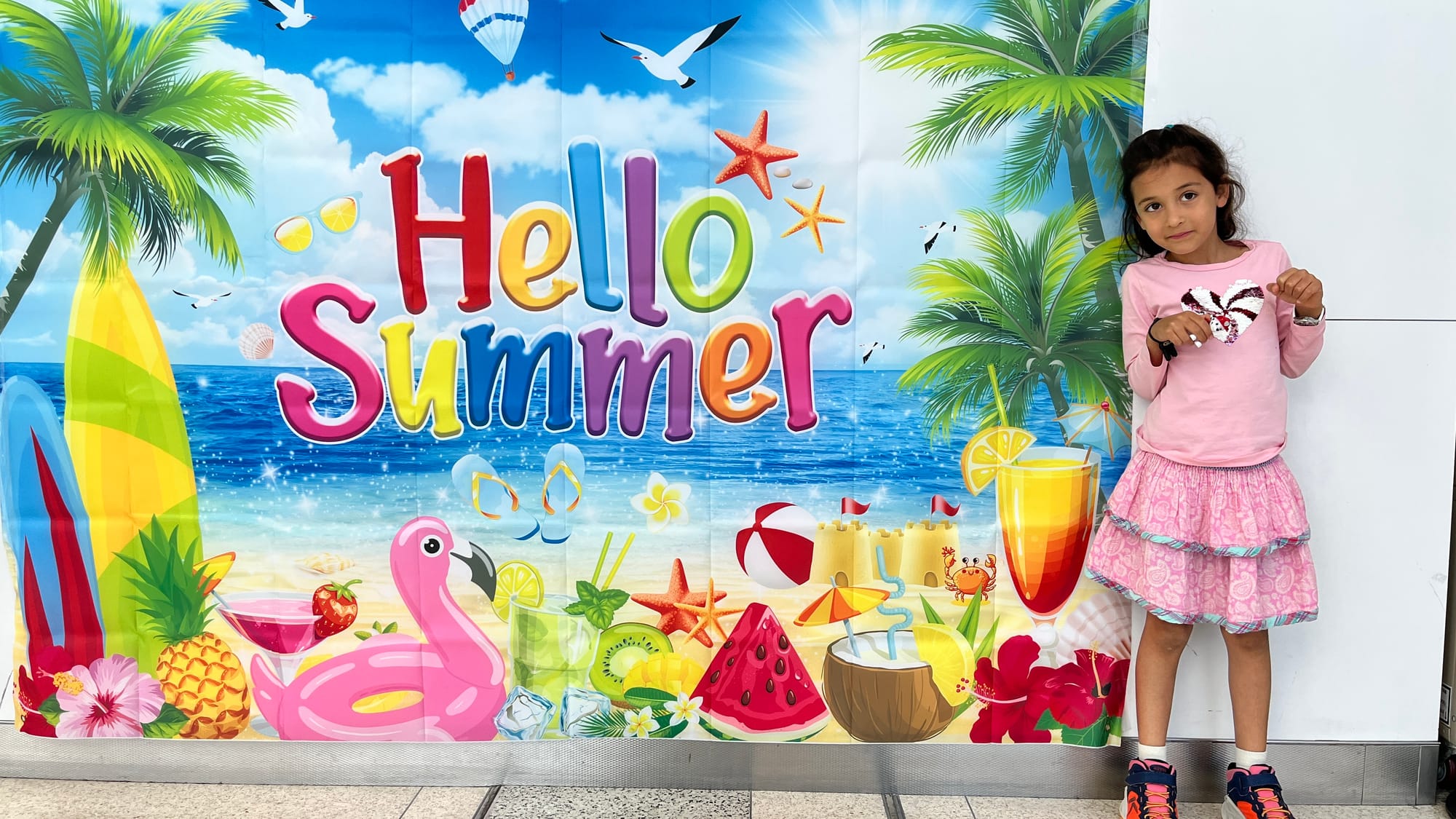
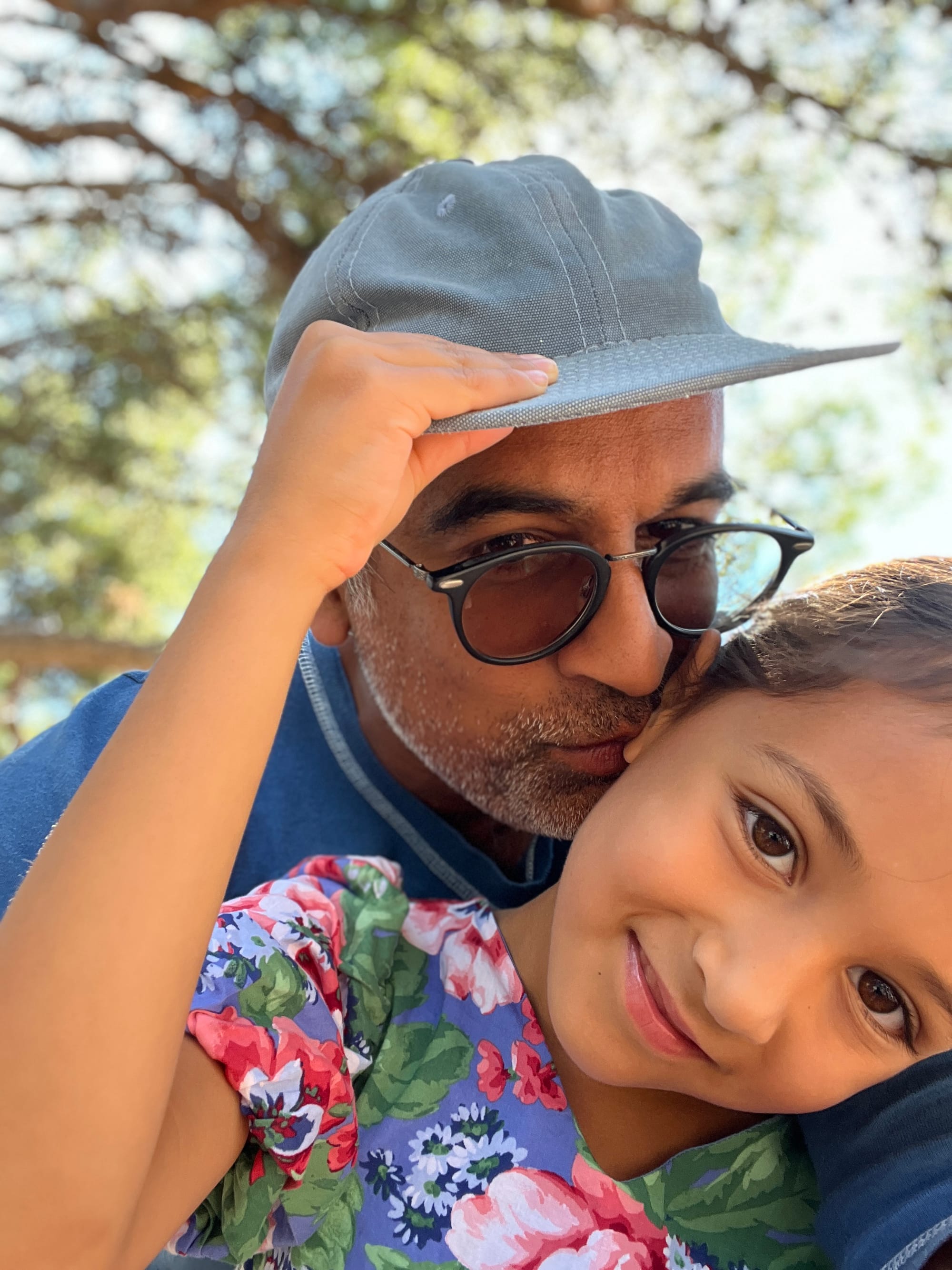
On the flip side, the kids formed bonds, learned from one another, and surprised everyone with their quickly growing confidence. Bo learned to tread water on the second day of camp after being inspired by a new friend.
Watching children bond in an unfamiliar place reminded me how social learning happens. Unlike adults, most don't show up with status, self-preservation and social baggage. Instead of waiting for comfort before collaborating, they collaborate in order to feel comfortable around each other.
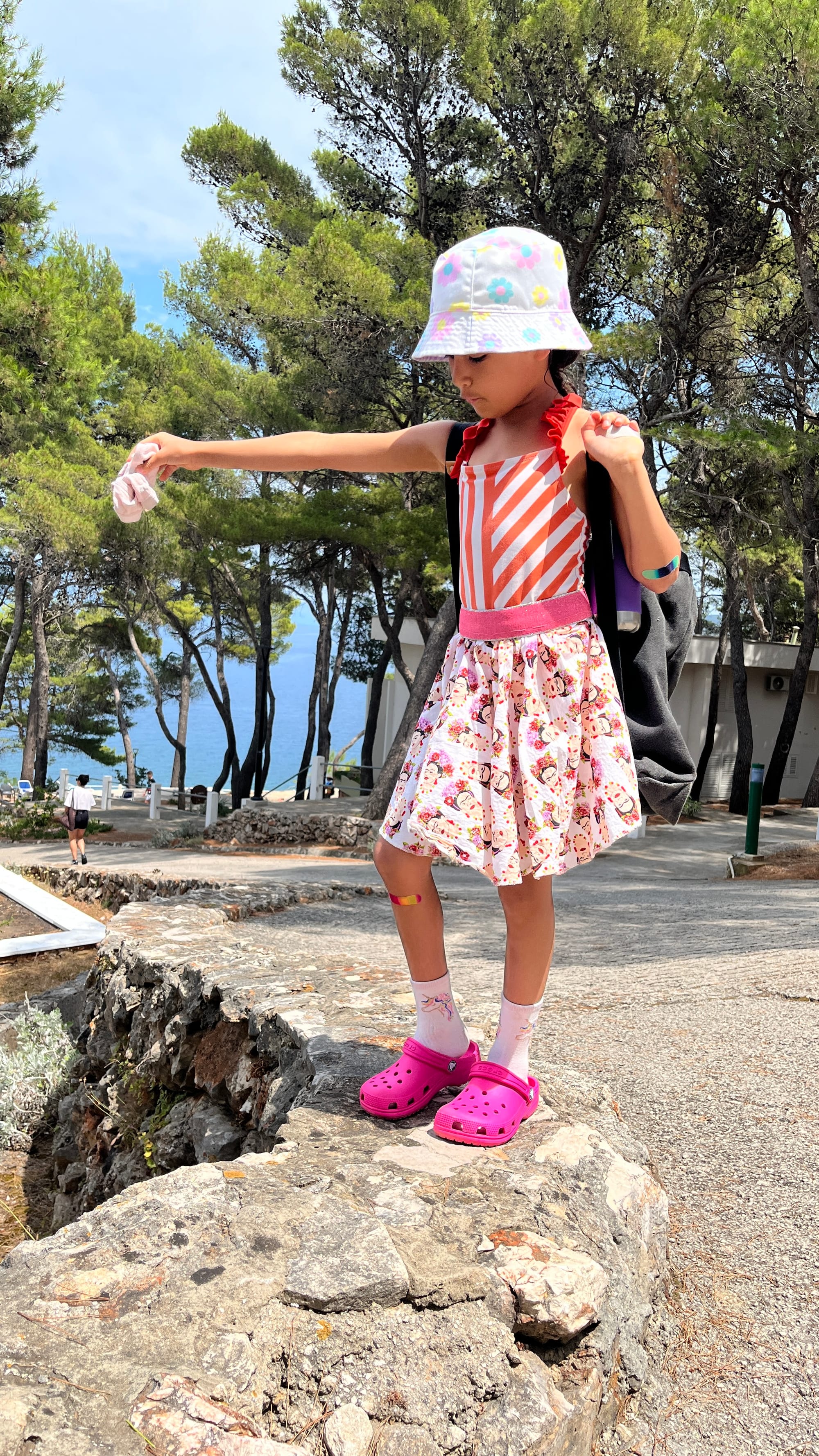
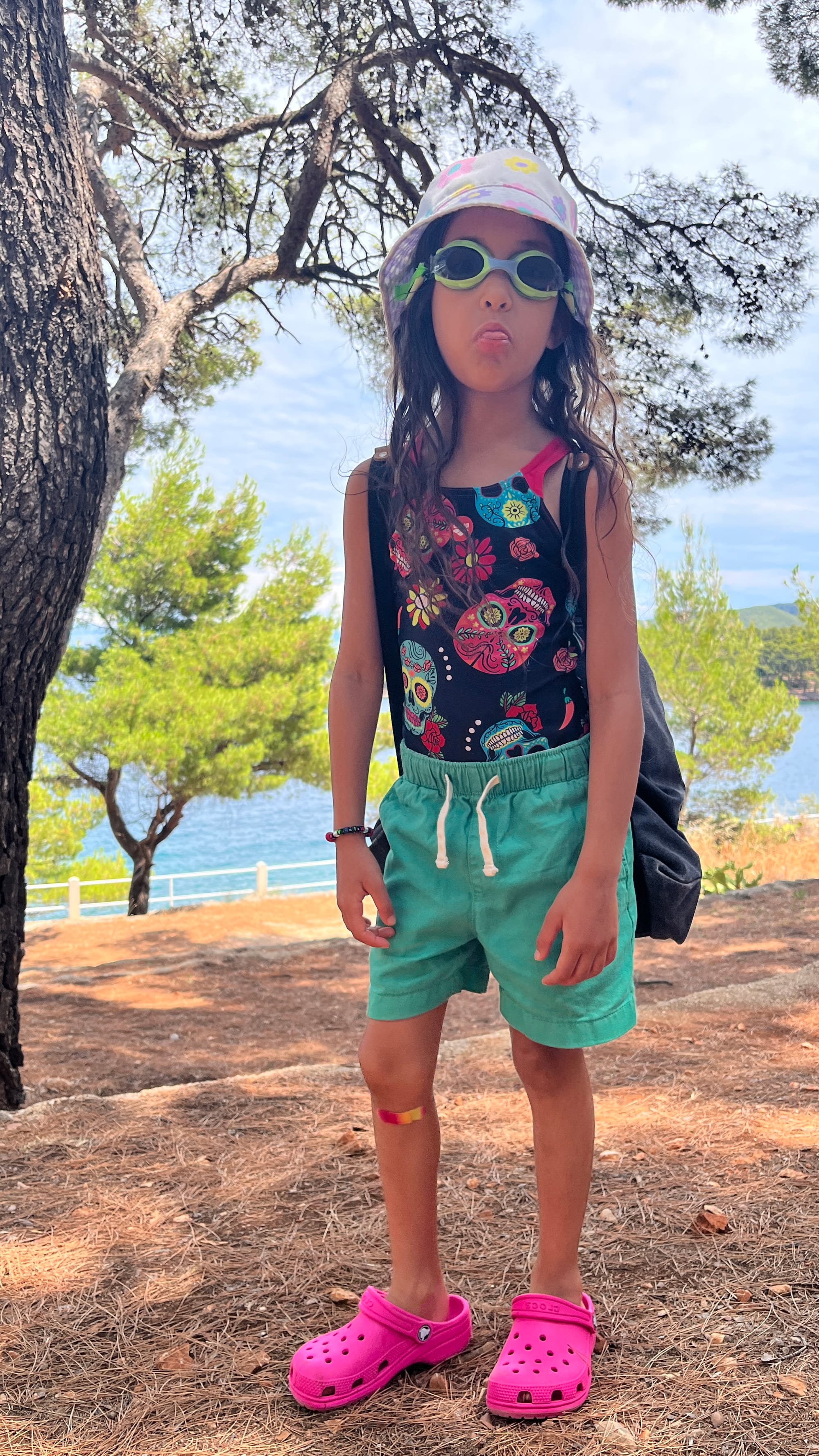
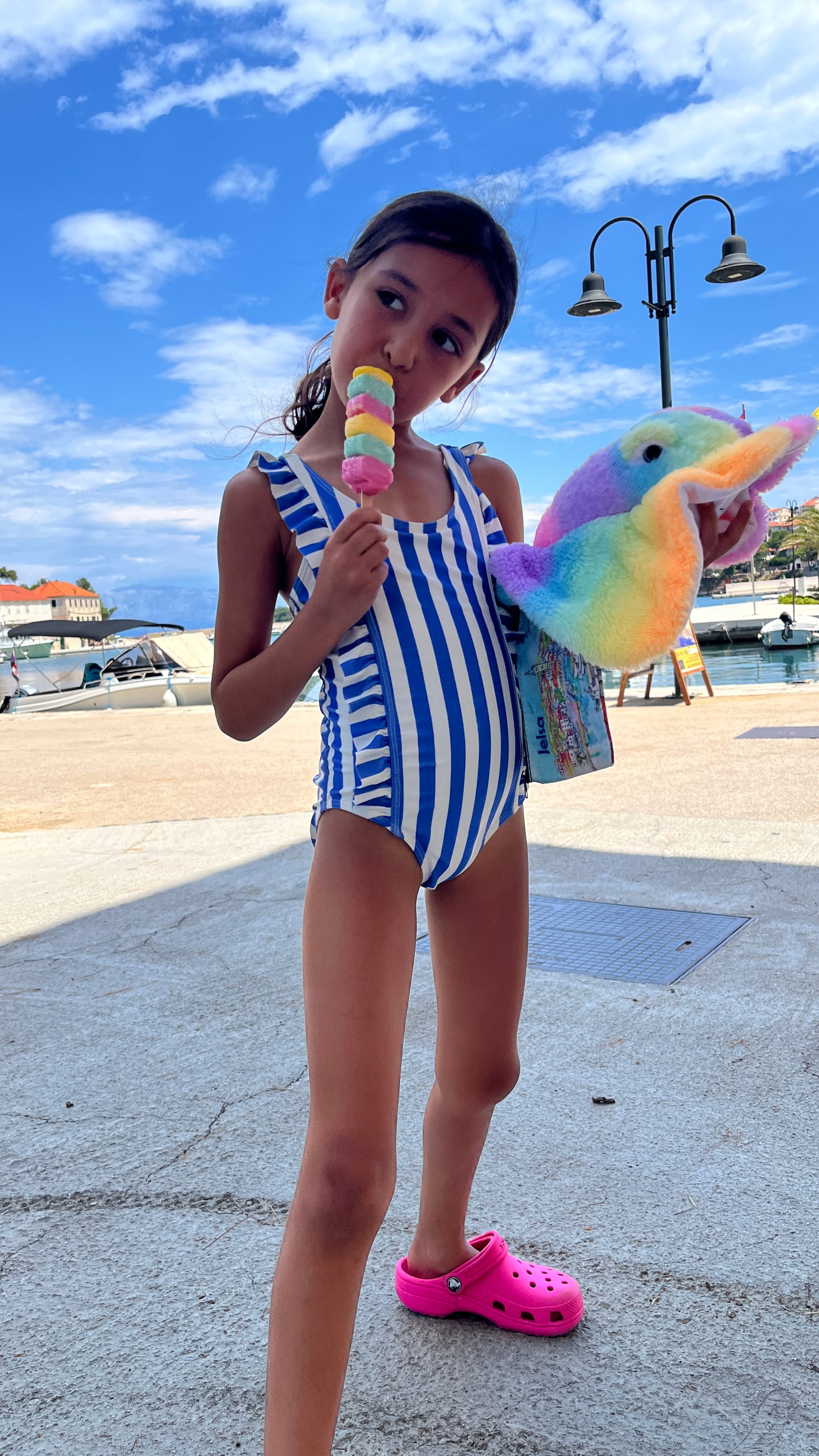
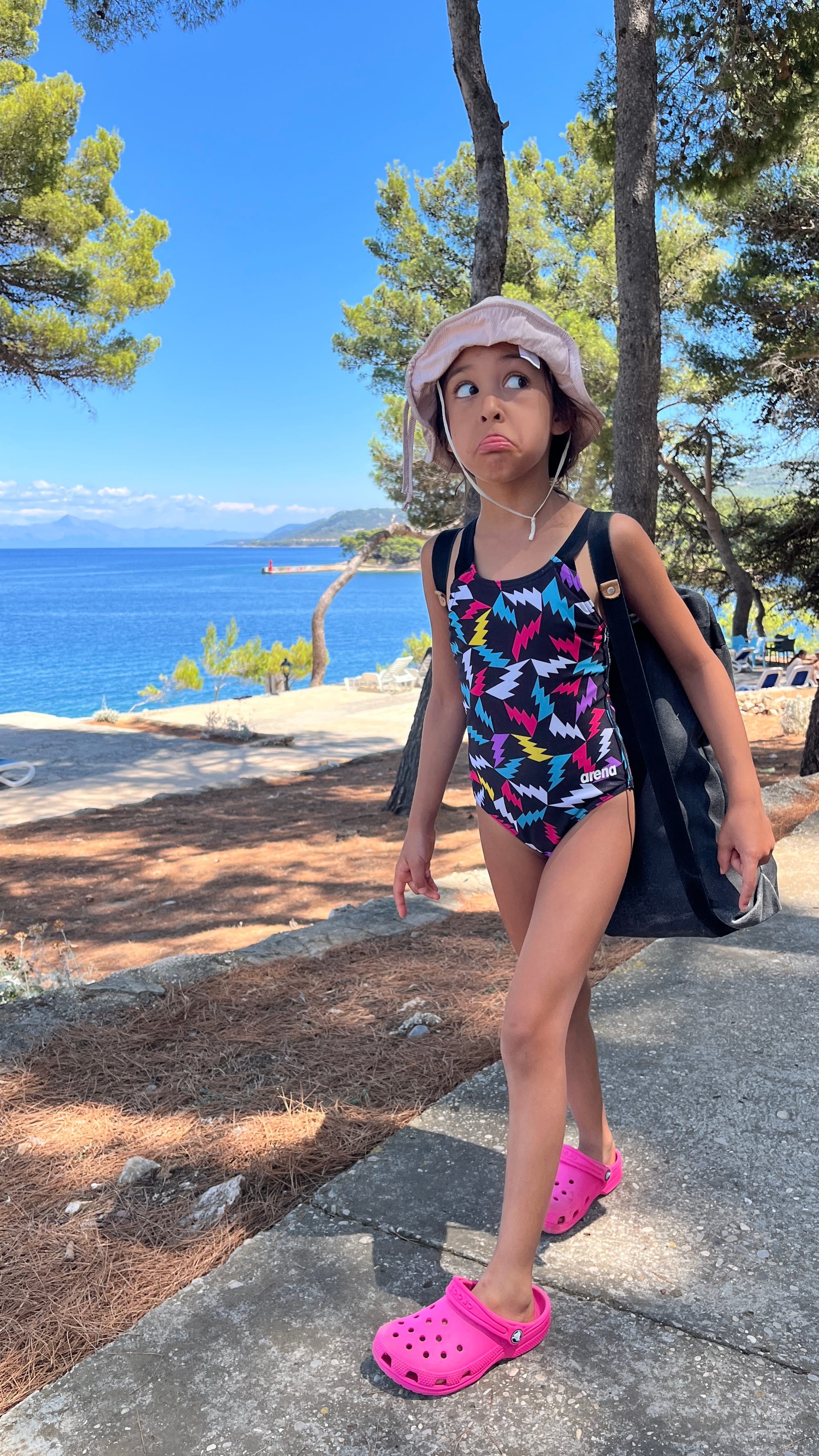
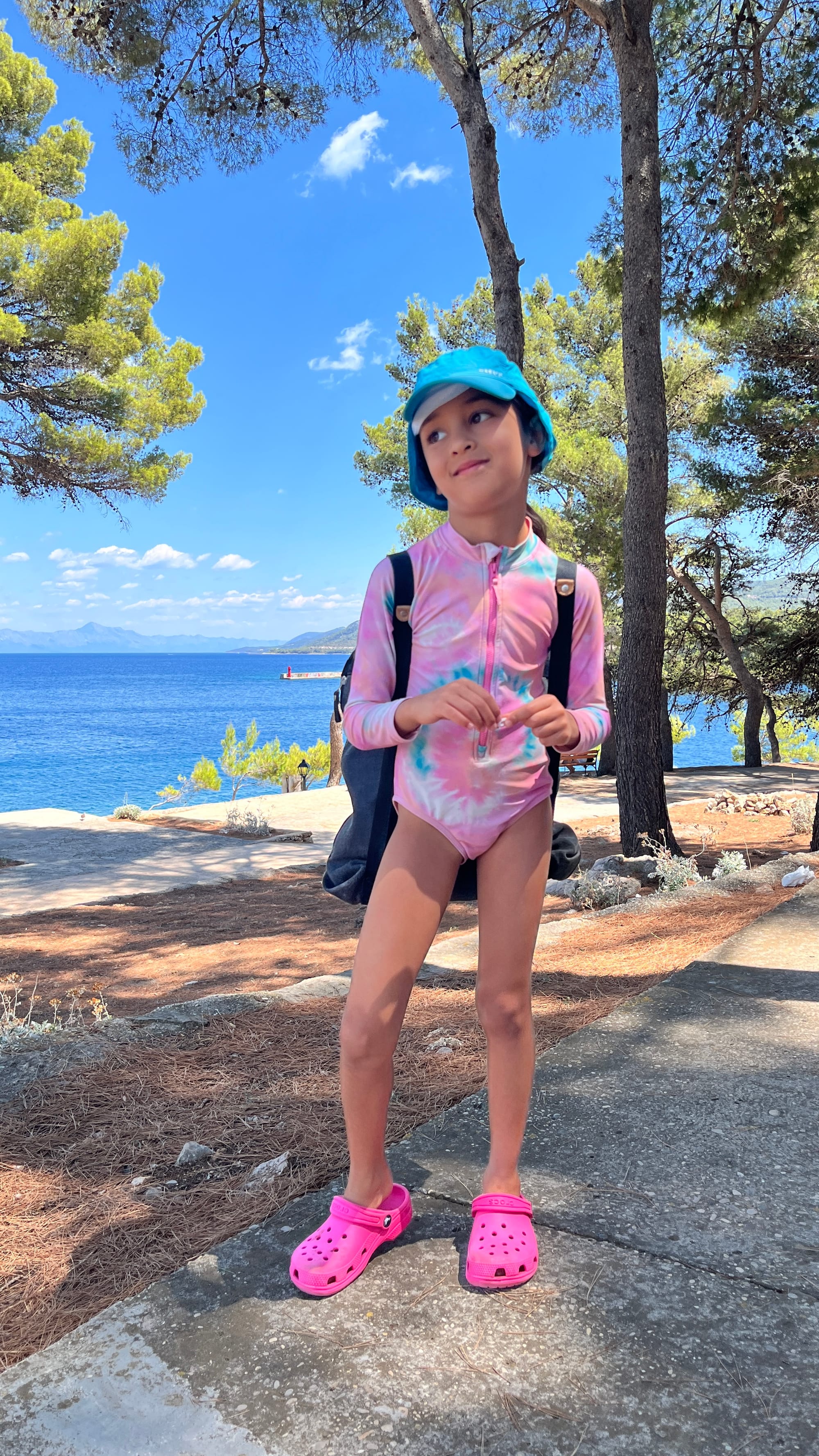
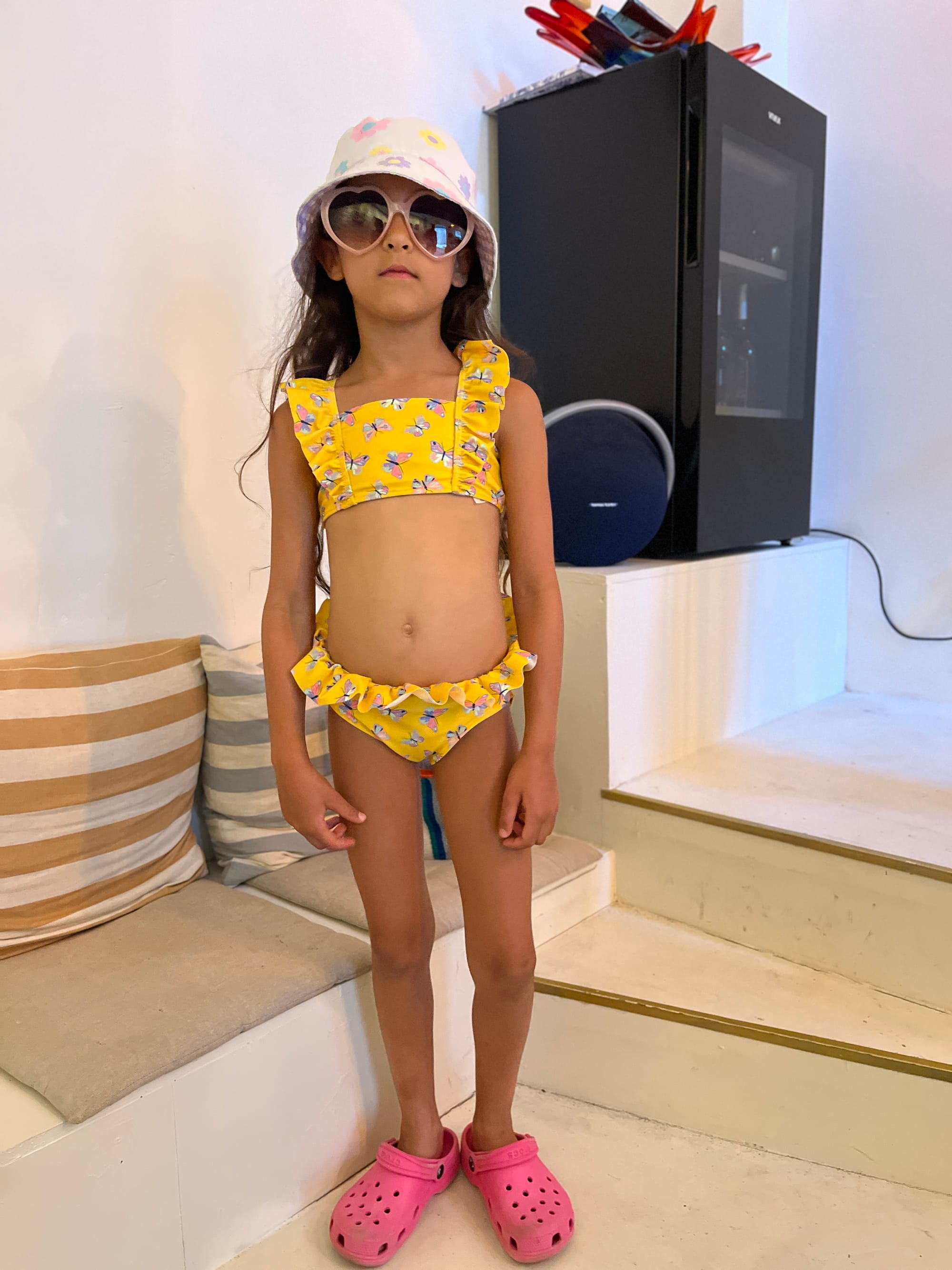
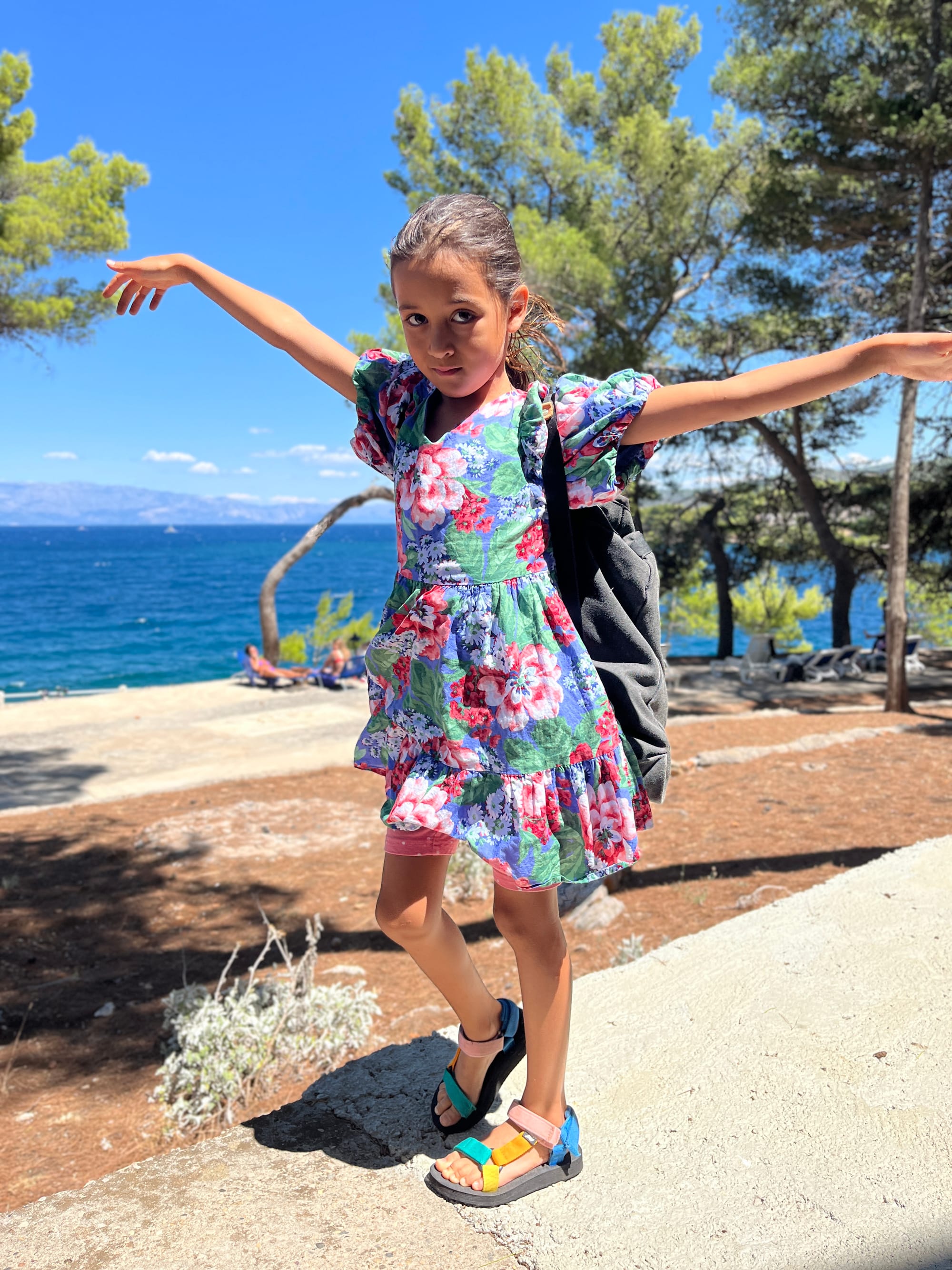
Daily fit checks
All of this leads to bigger questions for me.
What if friendship itself has an economy?
What if relationships are shaped by transactions: interactions of reciprocity, intention, and the quiet exchange of time and attention?
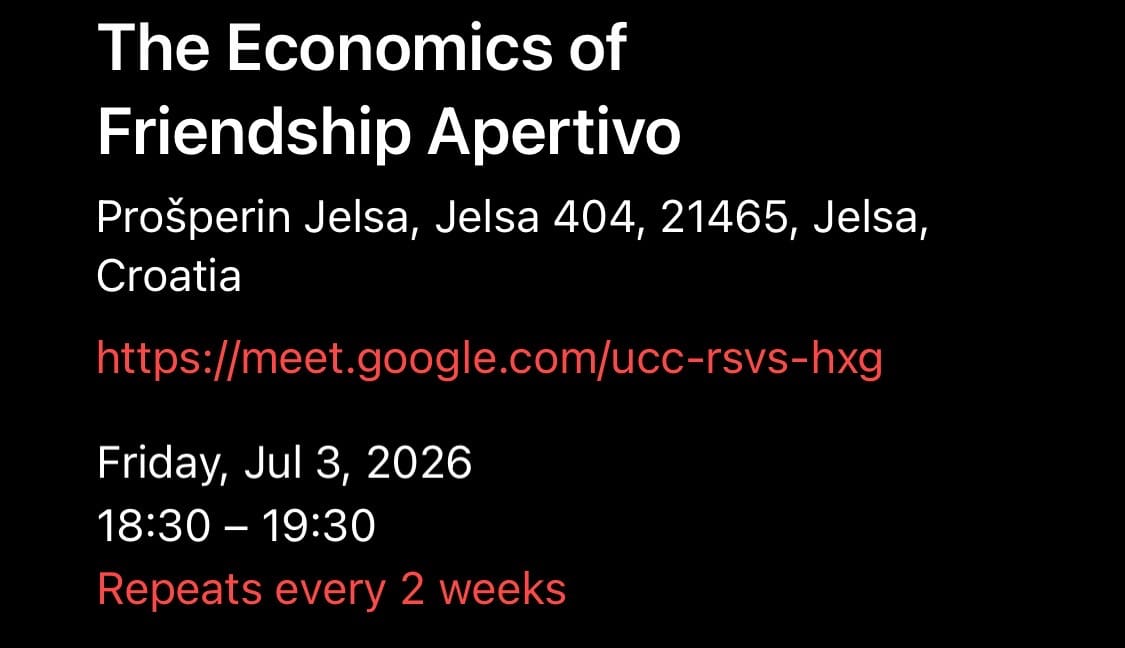
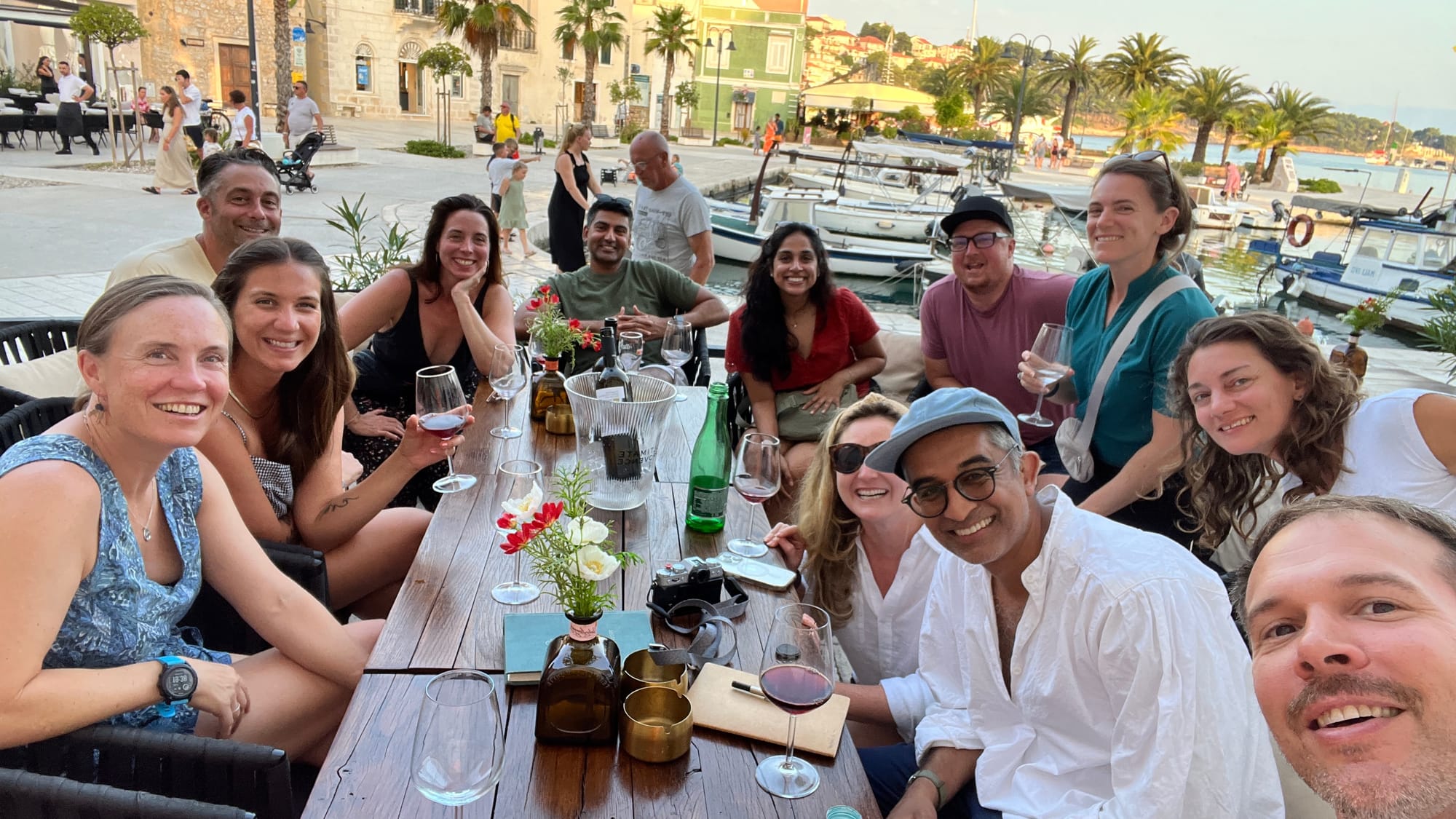
To be continued ...
If you have any questions about the experience, I'm happy to chat.
“We think about the times in our lives when we feel most alive and when we feel most open to connection.” - Carolyn